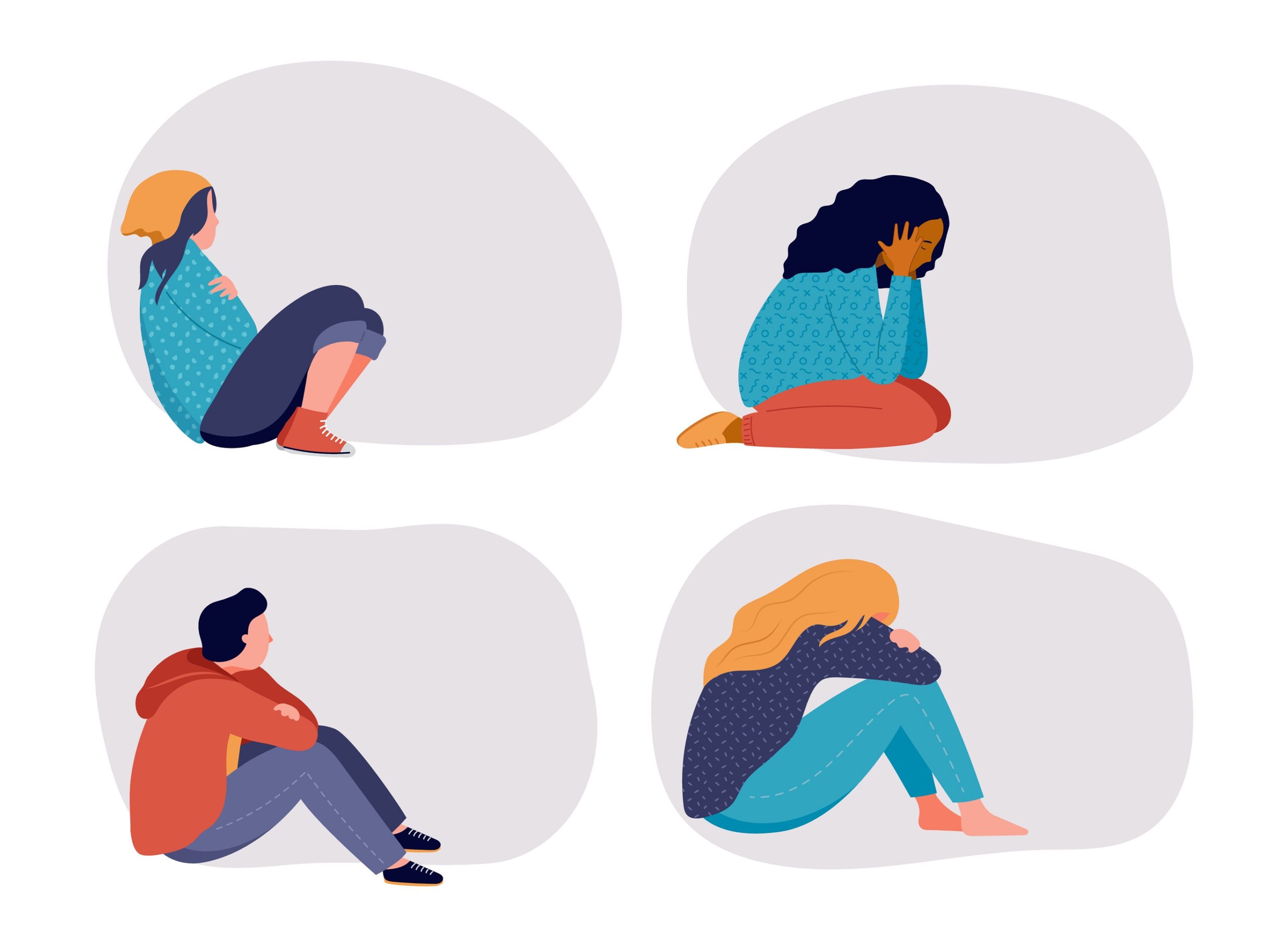
Depression is often talked about as if it is one single experience, but it can show up in different ways for different people. While sadness is part of it, depression often goes deeper. It can affect energy, motivation, sleep, focus, appetite, and the way someone feels about themselves and their life.
Understanding the different types of depression can help make sense of what you or a loved one may be going through. It can also be a helpful first step toward finding the right kind of support.
Major Depressive Disorder
Major Depressive Disorder is one of the most commonly known forms of depression. It typically involves ongoing feelings of sadness, hopelessness, or a loss of interest in activities that once felt enjoyable.
People experiencing this type of depression may notice changes in sleep, appetite, energy levels, and concentration. Even everyday tasks can begin to feel overwhelming or harder to complete.
Persistent Depressive Disorder
Persistent Depressive Disorder, sometimes called dysthymia, is a longer-lasting form of depression. Symptoms may feel less intense than major depression, but they continue over an extended period of time, often for years.
This can look like a steady low mood, low energy, or a sense that life never quite feels “right.” Because it can be ongoing and familiar, it may sometimes go unnoticed or be mistaken for part of someone’s personality.
Seasonal Affective Disorder
Seasonal Affective Disorder is a type of depression that follows a seasonal pattern, often beginning in the fall or winter months when there is less natural sunlight.
People may feel more tired, withdrawn, unmotivated, or emotionally low during these times. As the seasons change, symptoms may begin to ease, but the pattern can return year after year.
Postpartum Depression
Postpartum depression can occur after the birth of a child. While many new parents experience emotional changes during this season, postpartum depression goes beyond typical adjustment.
It may include persistent sadness, anxiety, irritability, difficulty bonding, or feeling overwhelmed in a way that does not seem to improve. This experience is more common than many people realize, and support can make a meaningful difference.
Situational Depression
Situational depression, sometimes referred to as adjustment disorder with depressed mood, is connected to a specific life event or stressful transition. This might include grief, divorce, job loss, health changes, family stress, or another major shift.
Even when depression is tied to a specific situation, the emotional impact can still feel heavy and difficult to manage alone.
Depression With Anxiety
Depression and anxiety often happen together. Someone may feel low, unmotivated, or disconnected while also experiencing worry, restlessness, racing thoughts, or tension.
When these symptoms overlap, it can feel especially exhausting. A person may want to rest but feel unable to relax, or they may want to move forward but feel stuck. With the right support, both depression and anxiety can be treated together.
Why Understanding the Type Matters
Each type of depression has its own patterns, but all share one important truth: depression is real, valid, and deserving of care.
Understanding the type of depression someone may be experiencing can help guide treatment and create a clearer path forward. More importantly, it can help people feel seen in their experience instead of feeling like they have to “push through” on their own.
Support at AMA Behavioral Therapy
At AMA Behavioral Therapy, depression care begins with understanding your unique experience. Depression can show up as sadness, irritability, withdrawal, low energy, loss of interest, or changes in sleep, appetite, and concentration. That is why treatment should be personalized, not one-size-fits-all.
AMA provides compassionate, evidence-based care that may include Cognitive Behavioral Therapy, behavioral activation, coping-skill training, and practical strategies to help reduce symptoms and improve daily functioning. The goal is to help you build momentum, reconnect with meaning, and feel more supported as you move forward.If you or a loved one may be experiencing symptoms of depression, AMA Behavioral Therapy is here to help you take the next step toward support and clarity.