Body-Focused Repetitive Behaviors (BFRB) affect millions of people across all age groups. When left unaddressed, they can impact emotional well-being, confidence, and daily functioning. Education and evidence-based care can make a meaningful difference.
At AMA Behavioral Therapy, we believe education reduces shame and opens the door to real, practical help. So let’s break this down into what BFRB is, the common types such as trichotillomania and dermatillomania, and the options for treatment.
What Does BFRB Mean?
BFRB stands for Body-Focused Repetitive Behavior(s). These are repetitive actions directed at the body that can cause physical damage and emotional distress.
Common examples include:
- Hair pulling (trichotillomania)
- Skin picking (dermatillomania), (also called excoriation disorder)
- Nail biting
- Cheek or lip biting
These behaviors are not habits or a lack of willpower. BFRB conditions are recognized as mental health disorders. People don’t choose BFRB behaviors. They experience them.
Why Do These Behaviors Happen?
BFRB often feels as though it serves a purpose.
They might:
- Regulate intense emotions like anxiety or boredom
- Provide a sense of relief or focus
- Occur automatically, outside of conscious awareness
- Over time, the brain begins to associate the behavior with temporary relief. That loop strengthens. And before someone realizes it, the behavior feels impossible to stop.
This explains why simply “trying harder” does not work.
Common Types of BFRB Conditions
Trichotillomania (Hair Pulling Disorder)
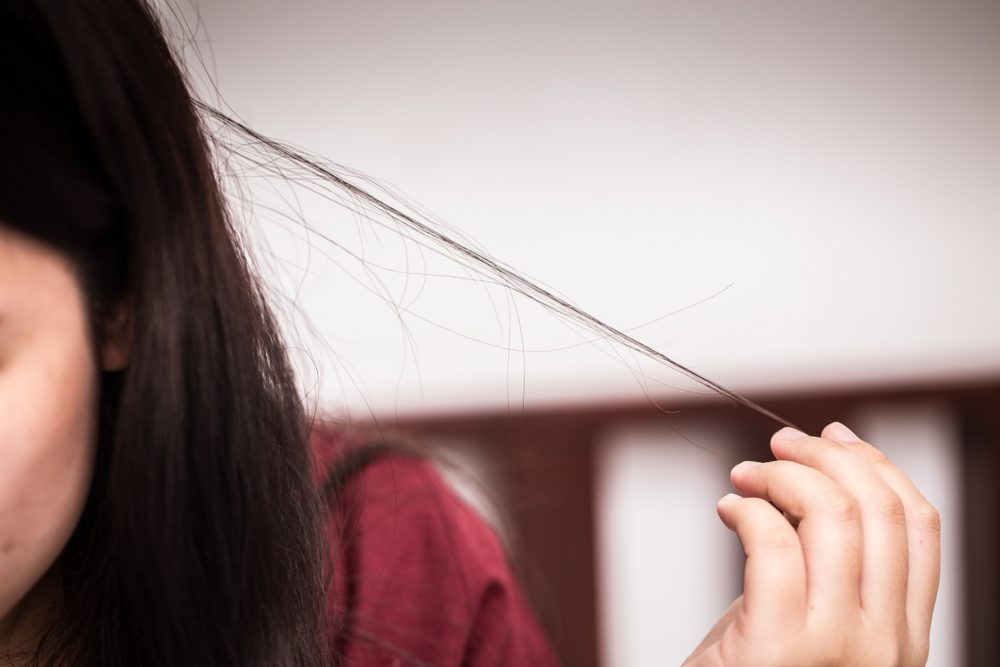
Individuals with trichotillomania experience recurrent urges to pull hair from the scalp, eyebrows, eyelashes, or other areas.
Some key features include:
- Pulling may be intentional or automatic
- Urges often increase during stress or downtime
- Hair loss can lead to shame, concealment, and avoidance
The emotional impact can be just as significant as the physical effects.
Dermatiollomania (Skin Picking Disorder)
Dermatiollomania involves repetitive picking, scratching, or squeezing of the skin, often resulting in wounds or scarring.
This may look like:
- Picking at acne, scabs, or perceived “imperfections”
- Spending long periods in front of mirrors
- Feeling relief followed by guilt or frustration
Clearing up Misconceptions:
- BFRB is not self-harm
- BFRB can overlap with obsessive-compulsive disorder, but not always
- BFRB is not a bad habit
- BFRB is not a personal failure
These distinctions matter. When we mislabel BFRB behaviors, treatment can be delayed.
Living With BFRB: There Is Real Hope
BFRB conditions can feel isolating but someone in treatment can learn their patterns, gain coping skills, and feel in control again. Seek a therapist trained specifically in BFRB treatment.
Recovery doesn’t mean urges disappear forever.
It means you’re no longer ruled by them.
Ready to Take the Next Step?
You don’t have to manage BFRB on your own and you don’t have to wait until things feel “bad enough” to get support. With the right tools and guidance, change is possible.
At AMA Behavioral Therapy, we specialize in evidence-based treatment for BFRB, including trichotillomania and dermatillomania. We meet you where you are and help you build skills that actually work in real life.
Reach out today to schedule a consultation, ask questions, or learn more about our BFRB-focused therapy services. Relief starts with one conversation, and that conversation can begin now.