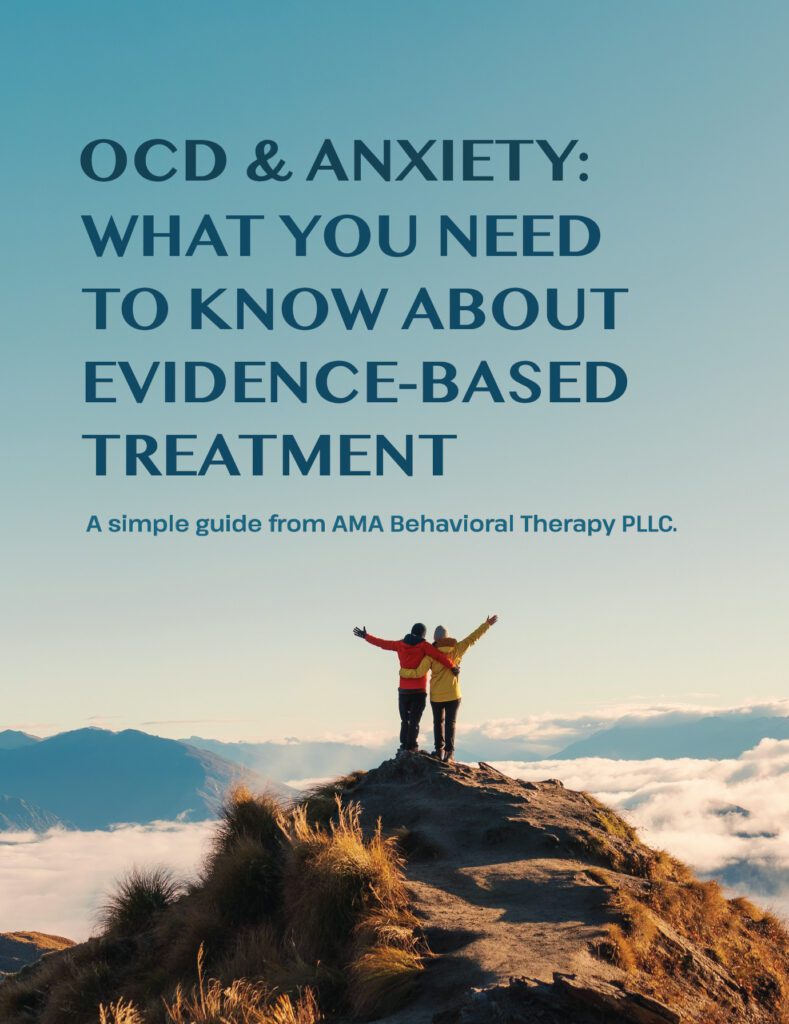
Weekly therapy can be an important source of support. It gives people space to process what they are experiencing, learn coping tools, and begin making meaningful progress.
But there are times when symptoms feel too disruptive, too constant, or too difficult to manage with weekly sessions alone. Someone may be showing up to therapy, doing their best, and still feeling stuck in the same cycle. That does not mean they are failing. It may simply mean they need a higher level of care.
An Intensive Outpatient Program, often called an IOP, is designed for that in-between place. It offers more structure and support than traditional outpatient therapy while still allowing clients to live at home and stay connected to everyday life.
What Is an Intensive Outpatient Program?
An Intensive Outpatient Program is a structured mental health treatment program that meets more frequently than standard outpatient therapy. It is often used when someone needs focused support but does not require hospitalization.
For people navigating OCD and anxiety, this kind of care can be especially helpful. Symptoms may show up as intrusive thoughts, avoidance, compulsive behaviors, reassurance-seeking, or persistent fear that makes daily life feel harder to manage. An IOP gives clients more time and support to understand these patterns and begin practicing new responses.
How an IOP Works
An IOP usually begins with an intake assessment. This helps the clinical team understand the client’s history, current symptoms, goals, and needs. From there, a personalized treatment plan is created.
Depending on the program, care may include individual therapy, group sessions, family support, exposure work, psychoeducation, and ongoing progress monitoring. The goal is to make treatment active and practical, helping clients build tools they can use outside of therapy, not just talk about what they are experiencing.
Throughout the process, progress is monitored and the treatment plan can be adjusted so care remains meaningful and effective.
What Types of Therapy Are Used in an IOP?
IOPs often use evidence-based approaches that are designed to help clients understand symptoms and practice new ways of responding to them.
For OCD and anxiety, this may include Exposure and Response Prevention, or ERP, which helps individuals gradually face fears while resisting compulsive behaviors in a safe, structured way. It may also include Acceptance and Commitment Therapy, or ACT, which supports psychological flexibility and helps clients stay connected to their values even when difficult thoughts or feelings show up.
Psychoeducation can also be an important part of treatment. By learning more about OCD, anxiety, and symptom patterns, clients can better understand what is happening and feel more equipped to manage it.
Why the Extra Structure Can Help
One of the biggest benefits of an IOP is consistency. Meeting more often gives clients more opportunities to practice skills, ask questions, and receive support while challenges are still fresh.
For someone dealing with OCD or anxiety, this can be especially helpful. Symptoms can create patterns that feel hard to interrupt alone. More frequent support can help clients notice those patterns and begin responding in new ways.
Over time, that structure can help build confidence, reduce symptoms, and support long-term recovery.
Who Might Benefit From an IOP?
An Intensive Outpatient Program may be a good fit for someone who needs more support than weekly therapy but does not need inpatient treatment. It may help when symptoms are interfering with everyday life, when progress has slowed, or when coping skills feel difficult to use without more guidance.
It can also be helpful for someone who wants treatment that is focused, practical, and connected to real life.
Choosing an IOP does not mean things are “bad enough” or “not bad enough.” It simply means the person deserves the level of support that matches what they are going through.
Support Through AMA Behavioral Therapy
At AMA Behavioral Therapy, the Intensive Outpatient Program is designed for individuals navigating OCD and anxiety who need more support than weekly therapy alone. The program offers structured care without hospitalization, helping clients maintain work, school, family life, and daily routines while receiving more frequent support.
AMA’s IOP combines evidence-based approaches including ERP, ACT, and psychoeducation. Each client begins with a comprehensive intake assessment, followed by a personalized treatment plan and ongoing progress monitoring. The program is offered in both a 2-week individual format and a 4-week group format, creating flexible paths for focused care that still fits into real life.If OCD or anxiety is making everyday life feel harder to manage, AMA Behavioral Therapy is here to help you explore whether an Intensive Outpatient Program may be the right next step.