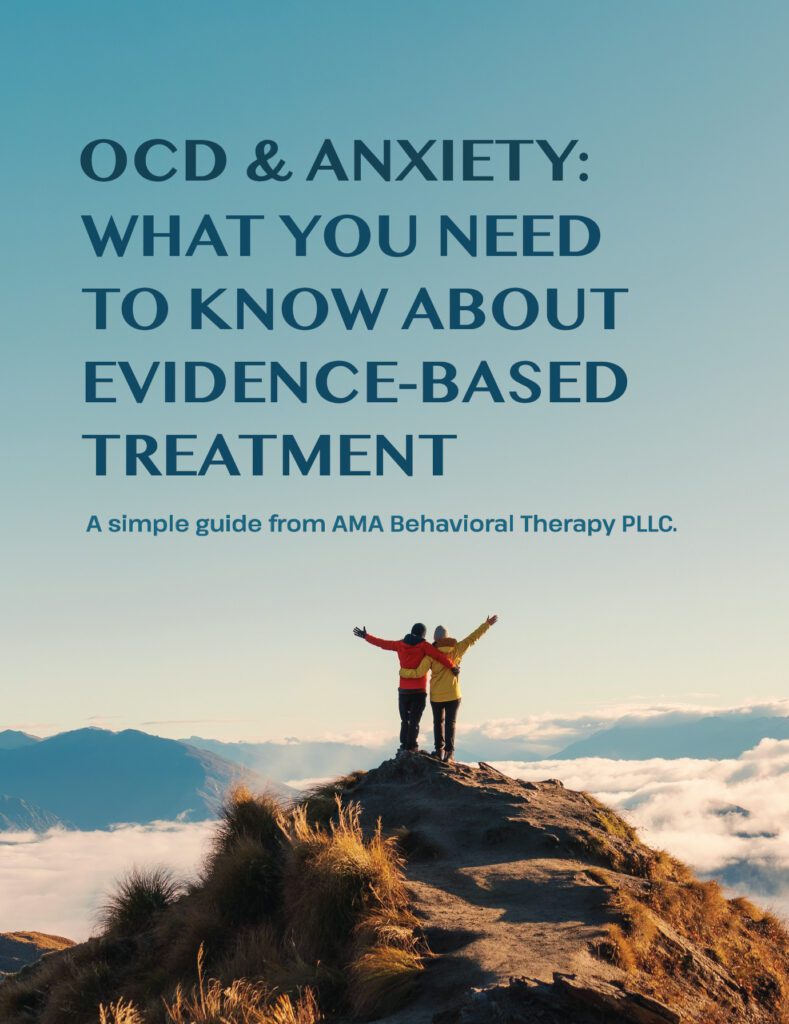
Talk therapy is one of the most common and effective ways people begin their mental health journey. It provides a safe, structured space to share experiences, process emotions, and gain new perspectives on life’s challenges. For many, talk therapy alone can bring relief and lasting change.
But sometimes, talking is only part of the solution. Some conditions require more than insight and conversation to achieve meaningful progress.
When Talk Therapy May Not Be Enough
While talk therapy builds awareness and emotional connection, it may not always give people the tools they need to manage severe or persistent symptoms. Examples include:
OCD and Anxiety Disorders – Talking about fears may not reduce them and may even reinforce OCD symptoms. Structured therapies like Exposure and Response Prevention (ERP) are often more effective.
Trauma and PTSD – These experiences may need targeted methods such as trauma-focused Cognitive Behavioral Therapy (CBT) or Cognitive Processing Therapy (CPT), or methods like Eye Movement Desensitization and Reprocessing (EMDR) to help the brain process safely.
Severe or Chronic Symptoms – Weekly talk therapy may not provide enough intensity when symptoms are significantly impacting daily life.
In these cases, combining or moving beyond talk therapy may be the next step.
Options Beyond Talk Therapy
If progress feels limited, there are many evidence-based treatment options that complement or extend talk therapy:
- Cognitive Behavioral Therapy (CBT) – Adds practical skills for identifying and changing negative thought patterns.
- Exposure and Response Prevention (ERP) – A proven approach for OCD that helps individuals face fears while resisting compulsions.
- Acceptance and Commitment Therapy (ACT) – Teaches clients to accept uncertainty and change their relationship with intrusive thoughts.
- Group Therapy – Extends the benefits of talk therapy through shared experiences, accountability, and encouragement from peers.
- Intensive Outpatient Programs (IOPs) – Provide multiple therapy sessions per week, blending talk therapy with structured skill-building.
- Trauma-Focused Interventions – Specialized approaches like EMDR can help process traumatic memories beyond what talk therapy alone can accomplish.
Signs You May Need More Than Talk Therapy
You may benefit from exploring additional support if:
- Weekly talk therapy hasn’t reduced symptoms after consistent effort.
- Mental health struggles continue to disrupt work, school, or relationships.
- Anxiety, compulsions, or trauma responses remain strong despite talking about them.
- You feel “stuck” and want more practical strategies to create change.
Expanding the Path to Healing
Talk therapy is a powerful starting point, but it’s not always the full solution. Expanding care to include skills-based therapies, group support, or intensive programs can provide the tools needed to make real progress.
Support at AMA Behavioral Therapy
At AMA Behavioral Therapy, we provide treatments that go beyond talk therapy, including CBT, ERP, group sessions, and Intensive Outpatient Programs (IOPs).
Our clinicians tailor care to your needs, helping you move forward with confidence.
If you’re ready to explore therapy options beyond talk therapy, contact AMA Behavioral Therapy today to take your next step toward healing.